
Where Bed Bugs Hide in Whittlesey Homes
Bed bugs are experts at staying hidden. Learn the most common hiding places around beds, furniture and bedrooms so you know where to check first.
Bed Bug Removal in WhittleseyBed bugs are extremely good at staying out of sight. During the day they hide in tight cracks and sheltered areas close to where people sleep, only emerging at night to feed. Because they are small and flat, they can squeeze into gaps that most people would never think to check, which is why infestations can go unnoticed for a while.
I’m Steve from SLS Pest Control, and when I inspect homes around Whittlesey, the first thing I look at is the sleeping area and the surrounding furniture. Bed bugs prefer to stay close to their food source, so most hiding places are found within a short distance of the bed. Knowing where to look can help you spot the early signs before the problem spreads further.
The Most Common Bed Bug Hiding Places
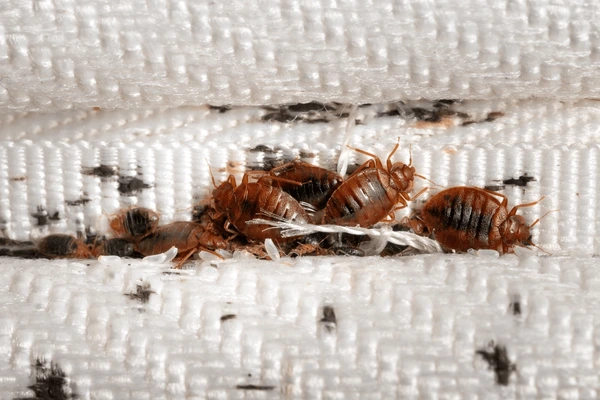
The bed itself is almost always the starting point for an infestation. Mattress seams, piping and labels provide small sheltered areas where bed bugs can hide during the day. Bed frames and headboards are also common harbourage spots, particularly if they have joints, screw holes or fabric coverings.
Because these pests prefer tight spaces, they tend to settle into areas where surfaces meet, such as seams, joints or small cracks. Even very small gaps can provide enough protection for them to remain undetected.
- Mattress seams, piping and labels
- Bed frame joints and screw holes
- Headboards and upholstered bed panels
- Underneath mattress edges and bed slats

Other Places Bed Bugs Can Spread To
If bed bugs are left untreated, they often begin spreading beyond the bed area. Furniture near the bed is usually affected next, particularly bedside tables, drawer units and wardrobes. Soft furnishings and nearby seating can also become hiding places once the population increases.
Another area people rarely think to inspect is the edges of the room itself. Skirting boards, carpet edges, curtain seams and cracks in walls can all provide hiding spots if bed bugs begin exploring beyond their original location.
- Bedside cabinets and drawer units
- Skirting boards and floor edges
- Sofas, chairs and upholstered furniture
- Curtains, wall cracks and picture frames
Why Bed Bugs Are Hard to Find
- They hide during the day — bed bugs are nocturnal and usually stay hidden until nighttime.
- They fit into very small gaps — their flat bodies allow them to hide in tiny cracks.
- They stay close to where people sleep — most activity begins within a short distance of the bed.
- They spread slowly at first — infestations often start small and become noticeable later.
- They avoid light and disturbance — which makes them harder to detect without careful inspection.
- They can survive long periods without feeding — meaning they can remain hidden even if rooms are unused.
Bed Bug Removal in Whittlesey
If you suspect bed bugs may be hiding in your home, it is important not to move furniture or bedding between rooms as this can spread the infestation. The best step is to confirm the problem and deal with it properly before it becomes more difficult to control.
I provide bed bug removal in Whittlesey and can help identify hiding places, assess the extent of the infestation and recommend the safest treatment approach.
Common Questions About Bed Bug Hiding Places
Do bed bugs only live in beds?
Can bed bugs hide in sofas?
Do bed bugs live in carpets?
How far can bed bugs travel in a house?
Can bed bugs hide in wardrobes?
What should I do if I find signs of bed bugs?
Think Bed Bugs Might Be Hiding in Your Home?
If you’re concerned about possible bed bug activity in your property, call me on 07423 726 398 or email slspestcontrol@gmail.com. You can also contact me here and I’ll help you work out the best next step.