
Where Bed Bugs Hide in Bedrooms
Bed bugs hide in tight, protected cracks near where people sleep. Here’s where to check first, what signs to look for, and how to avoid spreading them.
Speak to Steve About Bed Bug TreatmentOne of the reasons bed bugs are so difficult to deal with is that they don’t live out in the open. They hide during the day in tiny cracks and joints, then come out at night to feed. That means you can have an infestation building for weeks before you ever see an insect — especially if you’re only checking the top of the mattress or the bedding.
I’m Steve from SLS Pest Control in Peterborough, and the quickest way to confirm a bed bug problem is understanding where they actually harbour in a bedroom. This page breaks down the most common hiding places I see on callouts, what evidence to look for, and what not to do if you suspect bed bugs.
The Most Common Places Bed Bugs Hide
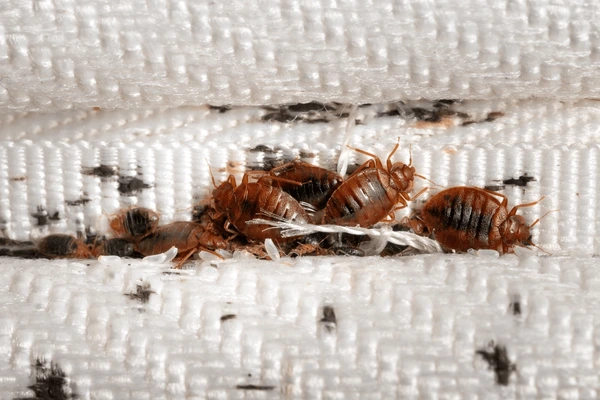
Bed bugs prefer tight, sheltered spaces where they can stay protected. In most bedrooms, the main harbourage point isn’t the middle of the mattress — it’s the structure around it: bed frames, headboards, and nearby furniture joints. If you only treat what you can see, you usually miss where the infestation is actually living.
When you inspect, focus on seams, joints, screw holes and any point where two surfaces meet. A torch and a slow, methodical check is more effective than stripping the whole room in a panic.
- Bed frames, joints, slats and screw holes
- Behind headboards and wall fixings near the bed
- Mattress seams, piping and labels (especially underside edges)
- Skirting boards and carpet edges around the bed zone
Other Bedroom Hiding Places People Miss
Once a bed bug infestation grows, it can spread beyond the bed structure. Bedside tables, drawers, wardrobes and even soft furnishings can become secondary harbourage points — particularly if people start moving rooms or dragging furniture around while trying DIY products.
I often find activity close to sleeping areas first, then in the nearest “resting spots” where items sit untouched: drawer runners, furniture joints, folded fabric edges, and along skirting lines. The key is knowing what signs you’re looking for, not just where to look.
- Inside bedside cabinets, drawers and along runners
- Wardrobe corners, joints and stored items near the bed
- Behind pictures, mirrors or fittings close to the bed
- Electrical sockets and small gaps near sleeping areas

Signs You’re Looking at a Real Bed Bug Harbourage
- Dark spotting near seams and joints — small black marks around bed frames, mattress seams or skirting edges often indicate activity.
- Shed skins in protected corners — bed bugs shed as they grow; these pale skins are commonly found around harbourage points.
- Signs keep appearing in the same bed zone — repeated evidence near the bed is a strong indicator the harbourage is close by.
- You’re noticing activity in nearby furniture — drawers, bedside units and storage close to the bed can become secondary hiding areas.
- The problem seems to “move” after DIY sprays — this often means bed bugs have retreated deeper into cracks or relocated to new spots.
- Bites appear repeatedly after nights at home — especially when combined with physical evidence in the bedroom.
Bed Bug Removal in Peterborough
If you suspect bed bugs are hiding in a bedroom, the best step is confirming the infestation early and treating the correct harbourage points. Bed bugs are persistent once established, but proper treatment keeps the process controlled and prevents the problem spreading to other rooms.
I provide bed bug removal in Peterborough and can help you confirm what you’re dealing with, identify where activity is likely harbouring, and explain the safest next step.
Where Bed Bugs Hide – Common Questions
Do bed bugs only hide in mattresses?
Can bed bugs hide in wardrobes and drawers?
Do bed bugs hide in electrical sockets?
What’s the best way to check for bed bugs?
Will cleaning remove bed bugs?
What should I avoid doing if I suspect bed bugs?
Need Help Confirming Where They’re Hiding?
If you suspect bed bugs in a bedroom in Peterborough, call me on 07423 726 398 or email slspestcontrol@gmail.com. I’ll help you confirm what you’re dealing with and explain the safest next step.