
Signs of a Bed Bug Infestation in Whittlesey
The early warning signs of bed bugs in bedrooms, mattresses and furniture — and how to tell when it is time to act before the problem spreads further.
View Bed Bug Removal in WhittleseyBed bugs are one of those pests that can go unnoticed at first, especially in the early stages. A lot of people in Whittlesey only realise something is wrong when they start waking up with bite marks, spotting odd marks on the bedding, or noticing that the problem seems to be getting worse from week to week. The challenge is that bed bugs are very good at staying hidden during the day, so the infestation can build quietly before it becomes obvious.
I’m Steve from SLS Pest Control, and if you think you may have bed bugs in your home, the best thing you can do is look for the signs early and avoid disturbing the affected areas too much. This page explains what to watch out for, where activity tends to show up, and when it makes sense to move from suspicion to proper treatment.
The Most Common Signs of Bed Bugs
One of the first signs people notice is unexplained bites after sleeping, but bites alone do not always confirm bed bugs. What matters more is when those bites appear alongside physical signs around the bed or nearby furniture. Bed bugs tend to stay close to where people sleep, so the strongest clues are usually found around mattresses, headboards, bed frames, bedside furniture and skirting edges.
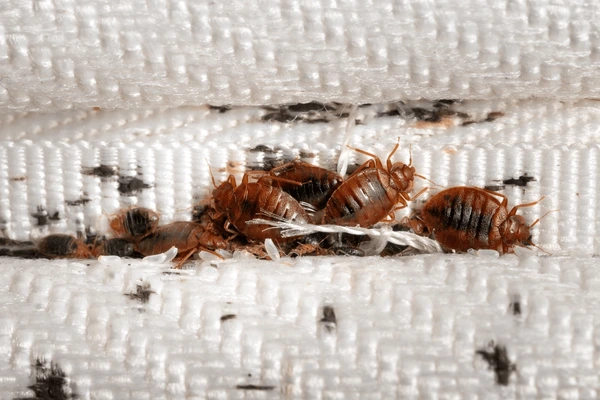
Small black spotting is another very common warning sign. This can appear on bedding, mattress seams or around cracks and joints near the bed. You may also notice pale shed skins, tiny white eggs in hidden areas, or occasionally a live insect if the infestation is becoming more established.
- Bite marks appearing after sleeping
- Small black spotting on sheets, mattresses or frames
- Shed skins in cracks, seams or corners
- Live bed bugs seen near the bed or furniture

Where Bed Bug Activity Usually Shows Up
In most cases, bed bug signs show up closest to the sleeping area first. Mattress piping, buttons, labels and seams are all worth checking, as well as the joins and screw holes on bed frames. Headboards are another very common hiding place, especially if they sit close to the wall or have fabric and gaps that offer shelter during the day.
If the infestation has been active for a while, signs can start appearing in nearby furniture too. Bedside cabinets, drawers, skirting boards, curtain edges and even sofas can all become harbourage points. The longer bed bugs are left, the more likely they are to spread beyond the original room.
- Mattress seams, piping and labels
- Bed frames, headboards and slat joints
- Bedside furniture and drawer units
- Skirting boards, cracks and nearby soft furnishings
When the Signs Point to a Growing Infestation
- The signs keep returning — if bites, spotting or visible activity continue over several days or weeks, it usually suggests the infestation is active rather than incidental.
- More than one person is affected — when multiple people in the same property begin noticing bites or irritation, it can be a strong sign of bed bug activity in shared sleeping spaces.
- You are finding signs in more than one place — activity in the bed, nearby furniture and adjoining rooms can indicate that bed bugs are spreading.
- DIY sprays have not solved the problem — shop-bought products often fail to reach hiding points properly and can make the infestation harder to control.
- You have seen a live bed bug — even spotting one insect in a bedroom usually means there are more hidden nearby.
- The issue is becoming more frequent — increasing bite activity or fresh spotting each week usually means the infestation is developing rather than dying out.
Bed Bug Removal in Whittlesey
Once the signs begin to stack up, it is usually best to stop guessing and deal with the issue properly. Bed bugs rarely disappear on their own, and the longer they are left, the more time they have to spread into other rooms, furniture and soft furnishings.
If you are noticing repeated signs in your home, I provide bed bug removal in Whittlesey and can help you identify the issue, explain what to do next, and get treatment started before the problem becomes harder to manage.
Common Questions About Bed Bug Signs
Are bites always the first sign of bed bugs?
What does bed bug spotting look like?
Where should I check first if I suspect bed bugs?
Can bed bugs spread into other rooms?
Should I throw away the mattress if I see signs?
What should I do if I think the signs match bed bugs?
Need Help With Suspected Bed Bugs in Whittlesey?
If you are noticing the signs of bed bugs in your home and want straightforward advice on what to do next, call me on 07423 726 398 or email slspestcontrol@gmail.com. Or you can contact me here and I will get back to you as soon as I can.