
How Long Does Bed Bug Treatment Take?
A realistic timeline for bed bug treatment, what affects how quickly the problem is solved, and how to avoid setbacks that cause infestations to return.
Speak to Steve About Bed Bug TreatmentIf you’ve discovered bed bugs, one of the first questions you’ll have is how long it takes to get back to normal. People want to know whether they’ll be dealing with this for days, weeks, or longer — and that’s completely understandable. The honest answer is that bed bug treatment is a process rather than a quick one-off spray, because bed bugs hide extremely well and their eggs can survive until they hatch.
I’m Steve from SLS Pest Control in Peterborough, and my focus is always on getting the infestation under control properly and preventing repeat activity. This page explains what a typical timeline looks like, what can slow things down, and what to do (and not do) to help treatment work as intended.
A Typical Bed Bug Treatment Timeline
Most bed bug cases aren’t solved instantly because you’re dealing with hidden insects, multiple harbourage points and eggs. In many situations, the goal of the first treatment is to knock down active bed bugs and target the areas where they’re harbouring. Follow-up is then used to deal with any late hatchers or surviving activity.
How quickly things are resolved depends on how established the infestation is, how many rooms are affected, and how well the preparation and containment steps are followed.
- Early infestations are usually faster to bring under control
- Established infestations often require staged treatment and follow-up
- Multiple rooms can extend the timeline if harbourage is widespread
- Good preparation helps keep treatment controlled and effective
What Affects How Long Bed Bug Treatment Takes
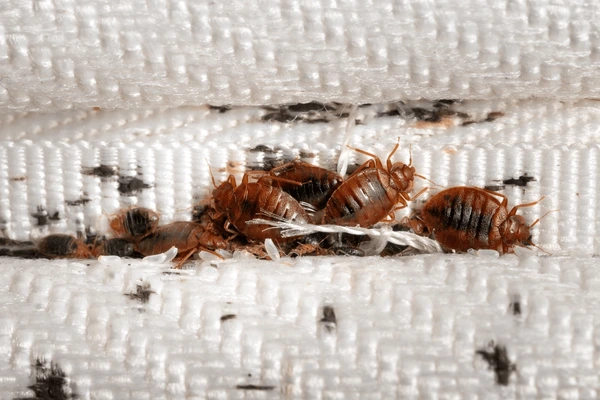
The biggest factor is where bed bugs are harbouring. If activity is mainly in one bedroom and caught early, treatment is usually more straightforward. If bed bugs have spread into furniture, skirting gaps, or into a second room (such as a living room sofa), it can take longer to fully control.
DIY sprays can also affect timelines. They often cause bed bugs to retreat into deeper cracks and joints, making infestations harder to locate and treat properly. Keeping the infestation contained and avoiding unnecessary movement of items is one of the best ways to prevent delays.
- How established the infestation is
- Whether one room or multiple rooms are affected
- Bed bugs harbouring in frames, headboards, skirting gaps or furniture joints
- DIY sprays or foggers causing bed bugs to scatter into new hiding spots

What Helps Treatment Work Faster (And What Slows It Down)
- Confirming the infestation early — early action is almost always faster than waiting weeks while activity builds.
- Keeping the problem contained — moving bedding and furniture between rooms can spread bed bugs and extend the timeline.
- Following preparation advice — sensible laundry and room prep helps treatment hit the right zones.
- Avoiding random DIY sprays — these often scatter bed bugs into deeper cracks and joints.
- Not changing sleeping locations — moving rooms can encourage bed bugs to spread as they follow the host.
- Allowing follow-up where needed — follow-up is often what prevents repeat activity and “comeback” infestations.
Bed Bug Removal in Peterborough
If you’re dealing with bed bugs, the best way to shorten the overall timeline is getting the infestation confirmed and treated properly — without scattering activity through the home. A clear plan, targeted treatment of harbourage points, and sensible follow-up is what gets the situation under control for good.
I provide bed bug removal in Peterborough and I’ll explain what to expect, what steps actually help, and the safest next move based on what you’re seeing.
Bed Bug Treatment Timeframes – Common Questions
Can bed bugs be removed in one visit?
Why does follow-up matter with bed bugs?
How do I know if treatment is working?
Will I need to throw furniture away?
Does DIY treatment make it take longer?
What’s the quickest way to reduce the overall timeline?
Want a Clear Plan and Timeline?
If you’re dealing with bed bugs and want to understand the likely timeframe for your home in Peterborough, call me on 07423 726 398 or email slspestcontrol@gmail.com. I’ll help confirm what you’re dealing with and explain the safest next step.