
Bed Bugs in Flats and Apartments in Peterborough
Why bed bugs spread more easily in connected buildings, what the warning signs look like, and when treatment needs a joined-up approach.
Speak to Steve About TreatmentBed bug problems in flats can feel harder to get a grip on, and there’s a reason for that: apartments and blocks have more shared structure than people realise. Even when you keep your place spotless, bed bugs can be introduced by travel, visitors, deliveries of used furniture, or simply movement within the building.
I’m Steve from SLS Pest Control, and I’m often called to flats across Peterborough where the issue isn’t just “in the bed” — it’s around the bedroom structure, the living area, or in places where the building gives bed bugs easy hiding routes. This page explains what makes flats different and how treatment needs to be handled to prevent repeat activity.
Why Bed Bugs Are More Complicated in Apartment Buildings
Flats tend to have more connected surfaces — shared walls, floor voids, service ducts, pipework routes, and communal areas. That doesn’t mean bed bugs “teleport” from flat to flat, but it does mean there are more opportunities for movement if infestations are left untreated or if items are moved through shared spaces.
Another common issue is uncertainty: residents aren’t always sure what’s happening, and the infestation is allowed to build quietly. In flats, it’s especially important to confirm the problem early and treat properly, because a small harbourage point can develop into wider activity if it isn’t handled with a clear plan.
- Shared walls and service routes creating additional hiding areas
- Soft furnishings and beds positioned tight to skirting and headboards
- Communal corridors and lifts increasing accidental transfer risk
- Delays while residents try to “rule things out”
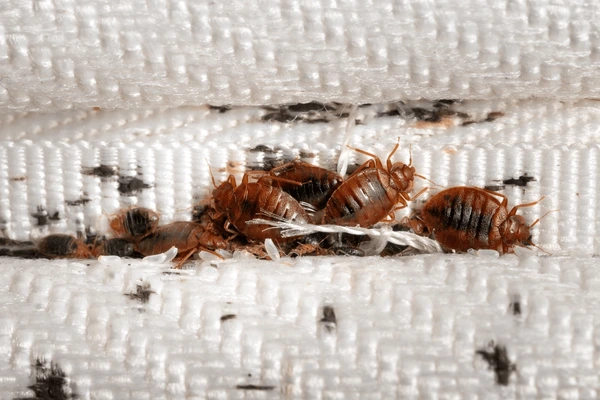
How Bed Bugs Spread in Flats and What Accidentally Helps Them
In apartments, bed bugs most commonly spread because people move items in a hurry. Carrying bedding to a communal laundry, dragging furniture across rooms, leaving bags in hallways, or taking infested items to another location can all transfer bed bugs without anyone noticing until later.
The other factor is incomplete treatment. If bugs are knocked back in one spot but the harbourage isn’t addressed properly, they reappear weeks later — often in a different area. That’s why I look beyond the obvious and focus on the typical hiding points around sleeping areas and nearby furniture, especially in flats where space is tight and harbourage options are plentiful.
- Moving laundry and bedding through shared areas without sealed bagging
- Relocating beds, sofas, and drawers between rooms
- DIY sprays scattering bugs into deeper cracks and joints
- Infestation reappearing after “partial knockdown” attempts

When Bed Bugs in a Flat Need Proper Treatment
- Patterns are consistent, not occasional — bites, irritation, or marks that keep showing up after nights at home (but not when you’re away) is a strong indicator the source is inside the flat.
- Evidence is showing near structural edges — spotting around skirting lines, bed legs, headboards, or furniture joints often means the infestation is using the room structure, not just the mattress.
- You’ve started seeing signs in living areas — bed bugs don’t always stay confined to the bed zone once established; sofas, chairs and nearby storage can become secondary harbourage points.
- The problem “moves” after DIY attempts — when activity seems to disappear then returns in a different place, it usually means bed bugs have relocated into new cracks or deeper hiding points.
- Multiple rooms feel affected — if the bedroom and another room are showing signs, it’s a strong signal that bed bugs have expanded their harbourage, and treatment needs to cover more than one area.
- You’re worried about neighbours or shared building risk — flats are connected by design. Treating early helps minimise the chance of the infestation becoming a wider building issue.
Bed Bug Removal for Flats in Peterborough
Treatment in a flat needs to be thorough and sensible: identify where bed bugs are harbouring, treat the right zones, and prevent accidental transfer through the building. I’ll guide you on what to do with laundry and bedding, what not to move, and how to keep the process controlled and effective.
You can read the full details of my approach on my bed bug removal treatments page, including preparation and follow-up guidance.
Bed Bugs in Flats – Common Questions
Can bed bugs travel between flats?
Should I tell building management or my landlord?
Do bed bugs only live in beds?
Is it safe to move to another room to sleep?
Will throwing items away solve the problem?
What should I do before treatment in a flat?
Worried About Bed Bugs in a Flat?
If you’ve spotted signs of bed bugs in a flat or apartment in Peterborough, call me on 07423 726 398 or email slspestcontrol@gmail.com. I’ll help confirm what you’re dealing with and explain the safest next step.