
Bed Bugs in a Mattress – What To Do
Not sure if bed bugs are in your mattress? Here’s what to check, where they actually hide, and the safest next step to stop the infestation spreading.
Speak to Steve About Bed Bug TreatmentFinding signs of bed bugs around a mattress is one of those moments that makes your stomach drop. People often assume the mattress itself is the main problem and the first instinct is to drag it outside, replace it, or start spraying everything in sight. The issue is that bed bugs don’t only live “in” the mattress — they use the whole bed zone, including frames, headboards, skirting edges and nearby furniture.
I’m Steve from SLS Pest Control in Peterborough, and I’m regularly called to homes where the mattress has been replaced but the bed bugs are still there weeks later. This page explains what to look for, what not to do (to avoid spreading them), and when proper treatment is the safest option.
What to Check on a Mattress (And What Counts as a Real Sign)
Bed bugs like tight seams and protected edges. On a mattress, the most important areas to inspect are the piping, seams, labels, stitched edges and the underside. You’re looking for physical evidence rather than just bites — spotting marks, shed skins, or live insects tucked into protected areas.
If you’re checking, do it calmly and methodically. A rushed inspection often misses the signs and encourages people to start moving items around, which is how infestations spread.
- Dark spotting marks along seams and piping
- Shed skins (pale, papery shells) near stitched edges
- Live insects hidden around labels, corners and underside seams
- Small marks appearing repeatedly on bedding near the bed zone
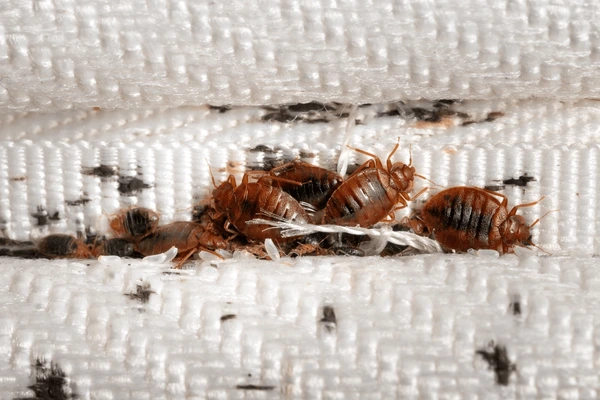
Bed Bugs Often Hide Around the Mattress, Not Just Inside It
Even when you find signs on a mattress, the main harbourage point is often the bed frame or the headboard. Bed bugs prefer cracks, joints and screw holes where they can stay protected during the day. Skirting edges, carpet seams near the bed, bedside furniture and nearby storage can also become hiding places once an infestation is established.
This is why throwing away a mattress rarely solves the problem. If bed bugs are in the structure, they simply move to the next best hiding place and activity returns. The key is identifying where they’re harbouring and treating the right zones properly.
- Bed frames, joints, slats and screw holes
- Behind headboards and wall fixings near the bed
- Skirting lines and carpet edges around the bed zone
- Bedside tables, drawers and furniture joints close to sleeping areas

What Not To Do If You Suspect Bed Bugs in a Mattress
- Don’t drag the mattress through the house — moving it can drop bed bugs or eggs into hallways and other rooms.
- Don’t take bedding to a laundrette unsealed — loose laundry is one of the easiest ways to spread bed bugs to other places.
- Don’t rely on foggers or random sprays — these usually miss harbourage points and can cause bed bugs to retreat deeper into cracks.
- Don’t start moving beds and furniture around — changing the room layout often spreads the infestation rather than controlling it.
- Don’t throw items away without a plan — removal without containment can spread bed bugs through the home or into shared spaces.
- Don’t assume bites alone confirm bed bugs — the best confirmation comes from physical signs around the bed zone.
Bed Bug Removal in Peterborough
If you’ve found signs around a mattress, the best step is confirming the infestation and treating the bed zone properly. Bed bugs are persistent once established, but early action makes treatment far more straightforward than leaving the problem to spread.
I provide bed bug removal in Peterborough and can guide you on what to check, how to keep the infestation contained, and the safest next step to remove bed bugs properly.
Bed Bugs in a Mattress – Common Questions
Do bed bugs live inside the mattress?
Will replacing the mattress solve bed bugs?
Should I throw my mattress away?
Can bed bugs be killed by steaming a mattress?
What are the most reliable signs on a mattress?
What’s the quickest way to stop them spreading?
Worried About Bed Bugs in Your Bed?
If you suspect bed bugs in a mattress or around your bed zone in Peterborough, call me on 07423 726 398 or email slspestcontrol@gmail.com. I’ll help confirm what you’re dealing with and explain the safest next step.