
When Bed Bugs Become a Serious Problem in Peterborough
Understanding when a minor suspicion turns into a spreading infestation — and why acting early makes all the difference.
Get Professional Bed Bug AdviceMany people live with bed bugs longer than they should because the early signs don’t always feel urgent. A few bites here and there, the odd mark on the bedding, or an unexplained itch can easily be dismissed. Unfortunately, bed bugs rarely stay small problems for long.
I’m Steve from SLS Pest Control, and across Peterborough I’m often called out once infestations have already spread beyond the original room. This page is here to help you recognise when bed bugs are no longer something to “keep an eye on” — and when they need to be dealt with properly before they escalate further.
How Bed Bug Problems Escalate Over Time
Bed bugs don’t suddenly appear in large numbers. Most infestations start with just a handful of insects hiding close to where people sleep. At this stage, activity is limited and signs can be subtle.
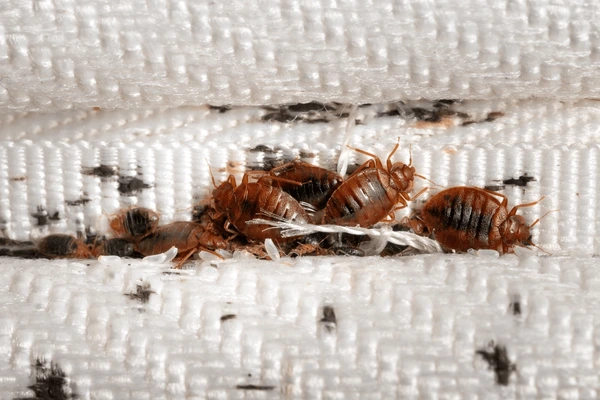
As weeks pass, breeding increases and harbourage spreads into bed frames, furniture, skirting boards, and nearby rooms. What began as an occasional nuisance can quickly turn into nightly disruption, visible insects, and activity throughout the property.
- Early infestations often show minimal visible signs
- Breeding accelerates once bugs settle in
- Harbourage expands beyond the bed area
- Delays allow infestations to spread room by room
Why Ignoring Bed Bugs Makes the Situation Worse
Bed bugs are experts at staying hidden. When infestations are ignored or treated half-heartedly, bugs are pushed deeper into cracks and neighbouring areas rather than eliminated. This makes future treatment more involved and increases the risk of reinfestation.
In properties with multiple bedrooms or shared walls, delayed action often leads to bugs spreading into rooms that were previously unaffected. By the time help is sought, the infestation is no longer confined to one location.
- Partial treatment allows bugs to relocate rather than die
- Infestations spread quietly without constant symptoms
- Multiple harbourage points form over time
- Later treatment becomes more disruptive

Clear Signs Bed Bugs Have Become a Serious Issue
- Ongoing bite activity that continues nightly or several times a week, often affecting multiple occupants rather than just one person.
- Visible evidence building up, such as spotting on bedding, mattress seams, furniture joints, or skirting boards near sleeping areas.
- Daytime sightings of live insects, which usually indicates a larger population forcing bugs out of hiding.
- Activity spreading between rooms, particularly when bites or signs begin appearing in previously unaffected areas.
- DIY treatments failing repeatedly, where symptoms reduce briefly before returning — often more aggressively than before.
Professional Help Before Infestations Escalate Further
Once bed bugs reach this stage, proper inspection and targeted treatment are essential. Effective control focuses on all harbourage points — not just what’s easy to see — and prevents the infestation from continuing to spread.
You can read more about how I handle established infestations on my bed bug removal treatments page. If you’re unsure whether your situation has reached this point, I’m happy to advise.
Serious Bed Bug Infestations – Common Questions
How quickly can bed bugs become a major problem?
Are visible bed bugs a bad sign?
Why do bed bugs keep coming back after DIY treatment?
Can bed bugs spread while I’m waiting to act?
Is it ever safe to wait and monitor the situation?
What should I do if I think the problem is getting worse?
Not Sure If Bed Bugs Have Escalated?
If you’re worried bed bugs are becoming a serious issue in your Peterborough home, call me on 07423 726 398 or email slspestcontrol@gmail.com. I’ll help you understand what stage you’re at and what to do next.